
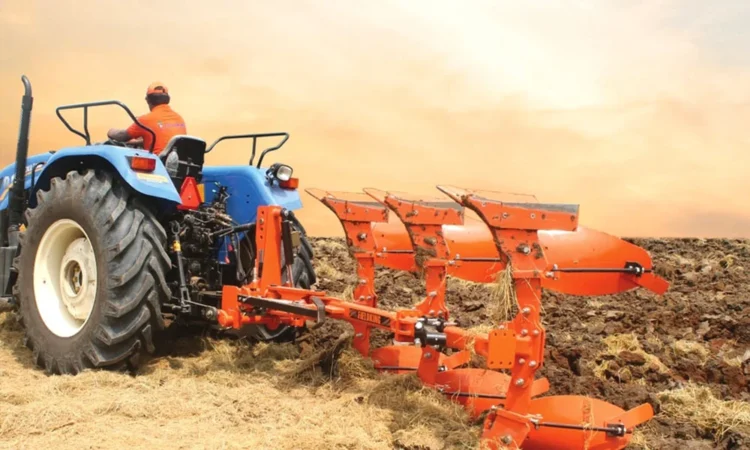
One of the first big challenges in the process of getting a harvest is getting the seeds in the ground. However, planting seeds in the ground does not imply planting. The spacing, depth, time and location of seeding can all influence the uniformity of emergence and growth rate of a crop. This can be done quickly, consistently and without waste by selecting the appropriate seeding equipment.
Choosing the right seeding equipment can also help farmers improve planting consistency while making better use of seed, fuel, and labour. Factors such as field conditions, crop type, operating width, seed capacity, and adjustment options should be considered before making a decision. Equipment that matches the farm’s specific requirements can reduce unnecessary passes across the field, support more accurate seed placement, and make the planting process more efficient from start to finish.
Start With Your Crops and Soil
There are different crop requirements. Different seed depth, row spacing and planting practices may be needed for corn, soybeans, wheat, vegetables and other crops. Soil conditions are also important. The surface soil properties of heavy clay, loose sand, rock and seedbed preparation vary widely and react differently when equipment is driven over them. Select the machines based on soil type, moisture, field conditions and crops to be cultivated. A tool that works well in one area can not work well in another.
Think about the type of seeding equipment to use.
There are several options available for farmers: seed drills, planters, air seeders and broadcast seeders. These are all for different planting styles. A precision planter can be a good option for situations where precise seed spacing and depth are essential. Seed drills can effectively drill seed in greater areas and are used for plants like wheat and other grains. Broadcast seeders broadcast seed over a larger area and may be suitable for some crops and uses. The objective is not to select the largest or most sophisticated machine. The challenge is to find equipment that is appropriate to the task.
Consider Seed Placement and Accuracy
Seed placement is a factor that can make a difference. Seeds that are planted too deep may not come up and shallow seeds can dry out or be exposed. If the plants are not spaced correctly, they may compete for water, nutrients, and sunlight. When assessing equipment, consider the degree of uniformity in depth of planting, plant spacing and seed distribution. Adjustable row units, depth controls, and metering systems can enable farmers to maximize the machine’s performance on various crops and field conditions.
Consider field size and efficiency
You don’t have to have a large seeder to run a small operation. However, planting with undersized equipment on hundreds of acres can make planting a long and tiring process. Take into account working width, travel speed, hopper capacity, fuel consumption and rapid changeover/reloading. Finding the proper balance may allow you to travel farther without compromising planting accuracy.
Don’t Forget Maintenance
Planting equipment is working hard in a short but critical time period. Mid-season breakdown can be time-consuming. Before purchase, ensure that wearing parts, component replacement, machine cleanliness and regular maintenance are easily accessible. Consider parts availability and manufacturer support, as well.
Select for the LONG TERM.
The optimum equipment for seeding should meet the needs of the present day and provide for the growth of the farm. Consider characteristics, operating expenses, longevity and service support, not just cost.
When a machine is a good match for the job, it can place every seed in a more advantageous location, and help one of the busiest times of the farming year go a little smoother.