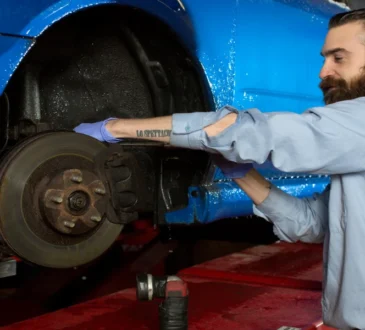


CV joints transfer engine power to wheels effectively. Complete failure stops torque from reaching the wheel. Drivers may experience sudden loss of acceleration and control. Early inspection prevents total driveline breakdown and costly repair. Healthy joints maintain smooth torque transfer during all driving conditions. Understanding signs of failure improves vehicle reliability and safety consistently. Preventing damage to connected drivetrain components reduces repair expenses significantly. Acting promptly preserves steering control and ensures passenger safety reliably. Maintaining CV joints is critical for consistent drivability every day.
Outer CV Joint Failure
Outer CV joints handle angular rotation during turns safely. Complete failure prevents wheel from receiving torque properly immediately. This causes clunking noises followed by loss of acceleration entirely. Mechanics can identify failure through visual inspection and road testing carefully. Replacing damaged joints restores torque delivery and driveline operation efficiently. Worn outer joints increase stress on axles and transmission unnecessarily. Healthy outer joints ensure smooth steering response and consistent power delivery. Preventing outer joint failure protects other drivetrain components from additional damage. Driving with failed joints can lead to unsafe situations quickly.
Inner CV Joint Failure
Inner CV joints allow axial movement along the drive shaft. Severe wear prevents transmission torque from reaching the wheel consistently. This results in vibration, grinding, and sudden loss of drivability. Repair or replacement at a trusted Auto Repair in San Antonio, TX restores smooth motion and full torque transfer effectively. Mechanics evaluate axial travel to determine if the joint is beyond repair. Damaged inner joints increase stress on connected components and reduce control. Healthy inner joints absorb suspension movement while transmitting power efficiently. Maintaining inner joint function prevents complete loss of drive unexpectedly. Axial motion is crucial for stable and reliable torque delivery always.
Symptoms of Severe Failure
Complete CV joint failure produces grinding, clunking, and rattling sounds repeatedly. Steering becomes unstable while attempting acceleration or turns consistently. Wheels may stop receiving torque entirely causing immobilization instantly. Early recognition of these symptoms prevents secondary damage to drivetrain components. Mechanics can diagnose failure through visual checks and road tests accurately. Repairing or replacing joints restores drivability and prevents further stress on transmission. Severe failure also increases the risk of suspension and axle damage. Healthy joints ensure consistent torque delivery and safe vehicle operation. Recognizing these signs avoids sudden power loss and dangerous driving conditions.
Conclusion
Complete CV joint failure prevents power from reaching the wheel entirely. Outer and inner joint issues produce vibration, noise, and drivability loss. Boot damage and lack of lubrication accelerate total joint failure rapidly. Early inspection prevents additional drivetrain damage and restores safe operation. Repair or replacement ensures consistent torque transfer and vehicle control. Healthy CV joints improve driveline efficiency, handling, and performance significantly. Detecting severe warning signs early reduces repair costs and prevents accidents. Proper maintenance preserves joint integrity and avoids sudden immobilization reliably. Acting quickly guarantees safe smooth driving and long-term drivetrain health.