
Oil change warning lights are easy to ignore, especially when the car still seems to drive normally. A small light appears on the dashboard, and many drivers think they can wait a few more days or weeks. Sometimes that is true. Other times, the light is a sign that the engine needs attention sooner than expected.
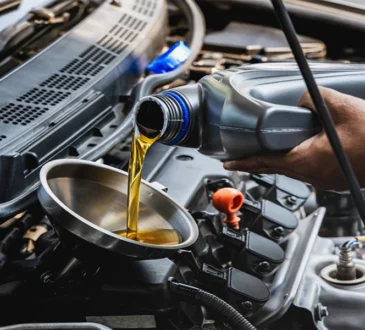
Engine oil plays a major role in keeping a vehicle running smoothly. It reduces friction, helps control heat, protects moving parts, and keeps the engine cleaner. When oil gets too old, too low, or too dirty, the engine can suffer. Understanding what oil-related warning lights mean can help drivers avoid costly repairs.
What Does the Oil Change Light Mean?
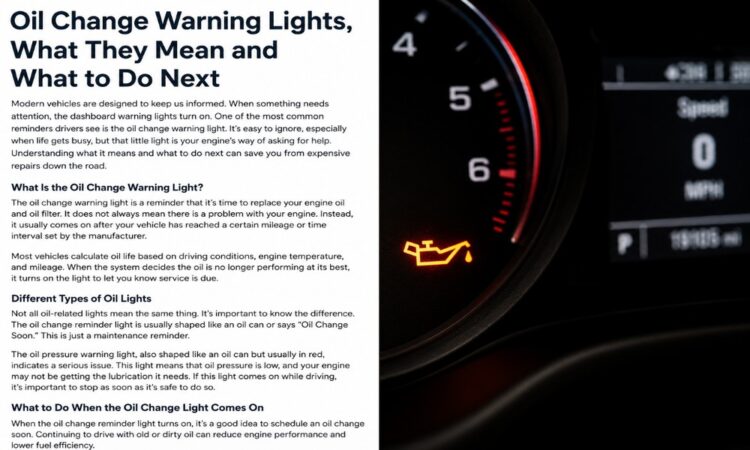
The oil change light usually means the vehicle is due for routine oil service. In many modern cars, this light is triggered by mileage, driving habits, engine operating conditions, or a maintenance reminder system.
This light does not always mean there is an emergency. It often means the oil has reached the end of its recommended service life. However, it should still be handled in a timely manner.
Old oil becomes less effective over time. It can thicken, collect dirt, and lose its ability to protect engine parts. If the oil change light comes on, the safest next step is to schedule an oil change soon and check the oil level if possible.
Oil Pressure Warning Light Is More Serious
An oil pressure warning light is different from a basic oil change reminder. This light usually looks like an oil can. It may appear red or amber depending on the vehicle.
If the oil pressure light comes on while driving, it may mean the engine is not getting enough oil pressure. This can happen because the oil level is too low, the oil pump is failing, there is a leak, or the oil is not moving through the engine properly.
This warning should be taken seriously. Low oil pressure can damage the engine quickly. If the light stays on, the best move is to pull over safely, turn off the engine, and check the oil level. If the oil level is very low or the light remains on after adding oil, the vehicle should not be driven until it is inspected.
Check Engine Light and Oil Issues
A check engine light does not always point to an oil problem, but oil-related issues can sometimes trigger it. For example, low oil levels, poor oil flow, or problems with engine timing components may affect how the engine runs.
If the check engine light appears along with rough idling, knocking sounds, burning smells, smoke, or poor performance, the vehicle should be checked soon. The light may point to a different issue, but ignoring it can allow a small problem to become larger.
Why Oil Level Matters
Even if the oil change light has not appeared, low oil can still be a problem. Some vehicles burn oil between services. Others may develop leaks. If oil gets too low, the engine may not have enough lubrication.
Drivers can often check oil level with the dipstick, depending on the vehicle. The car should be parked on level ground, and the engine should be off and cool enough to check safely. If the oil is below the recommended level, it should be topped off with the correct oil type.
However, adding oil is not the same as changing oil. If the oil is dirty, old, or overdue, the vehicle still needs a proper oil change.
What Happens If You Ignore the Warning?
Ignoring oil change warning lights can lead to several problems. The engine may run hotter. Internal parts may wear faster. Sludge may build up inside the engine. Fuel economy may drop. In severe cases, poor lubrication can lead to major engine damage.
The longer a vehicle runs on old or low oil, the more risk there is. A simple oil change is much less expensive than engine repair.
What Should You Do Next?
When an oil change reminder appears, schedule service soon. Check the oil level if you are comfortable doing so. If the oil pressure light appears, take immediate action. Pull over safely, shut off the engine, and avoid driving if the light does not go away.
It also helps to keep track of oil change records. Driving conditions, weather, stop-and-go traffic, towing, and high mileage can affect how often oil service is needed. Some vehicles need oil changes sooner than the basic mileage estimate suggests.
Final Thoughts
Oil change warning lights are there to protect the engine. Some are simple reminders. Others point to urgent problems. Knowing the difference can help drivers respond the right way.
A basic oil change light usually means it is time to schedule maintenance. An oil pressure warning light means the vehicle may need immediate attention. Either way, these warnings should not be ignored. Clean oil, proper oil level, and steady oil pressure all help keep the engine running safely and reliably.
This post was written by a professional at Tires2Go Florida. Tires2Go Florida is a trusted automotive service center located in Pinellas Park, Florida, serving drivers across St. Petersburg, Tampa, Clearwater, and Largo. Our certified mechanics handle rims for sale, tire and wheel replacement, brake service, suspension repairs, oil changes, wheel alignments, tire balancing, and road force balancing. We also specialize in ADAS calibration, suspension modifications, lift kits, and lowering kits using quality parts and modern diagnostic equipment. From routine maintenance to advanced automotive services, Tires2Go Florida provides dependable solutions and tires for sale for vehicles throughout the Tampa Bay area.